Account

Sign in

Signing up earns you 200 points in the Pure Joy Club.

0
Language & region: EN · EUR

Language & region

Oxidizing agentsOxidizing agents – view 2

501.901

Oxidizing agents

Reviews come from customers after a confirmed purchase (Loox) or are verified by Trusted Shops.

for creating rust effects with Iron Filings or Liquid Iron used to rust all kinds of surfaces, such as canvases or sculptures Note: The video shows how the…

Size

€12,00

€48,00 / 1 l · incl. VAT · plus shipping

  • With a voluntary 60-day return policy
  • In stock, delivery time: 2–5 business days

As a club member: +60 points in the Pure Joy Club (= €0,60)

  • Free shipping to Austria from €79,00 During Black Week, because of the big discounts: free shipping from €79,00.

Reviews

  • for creating rust effects with Iron Filings or Liquid Iron
  • used to rust all kinds of surfaces, such as canvases or sculptures
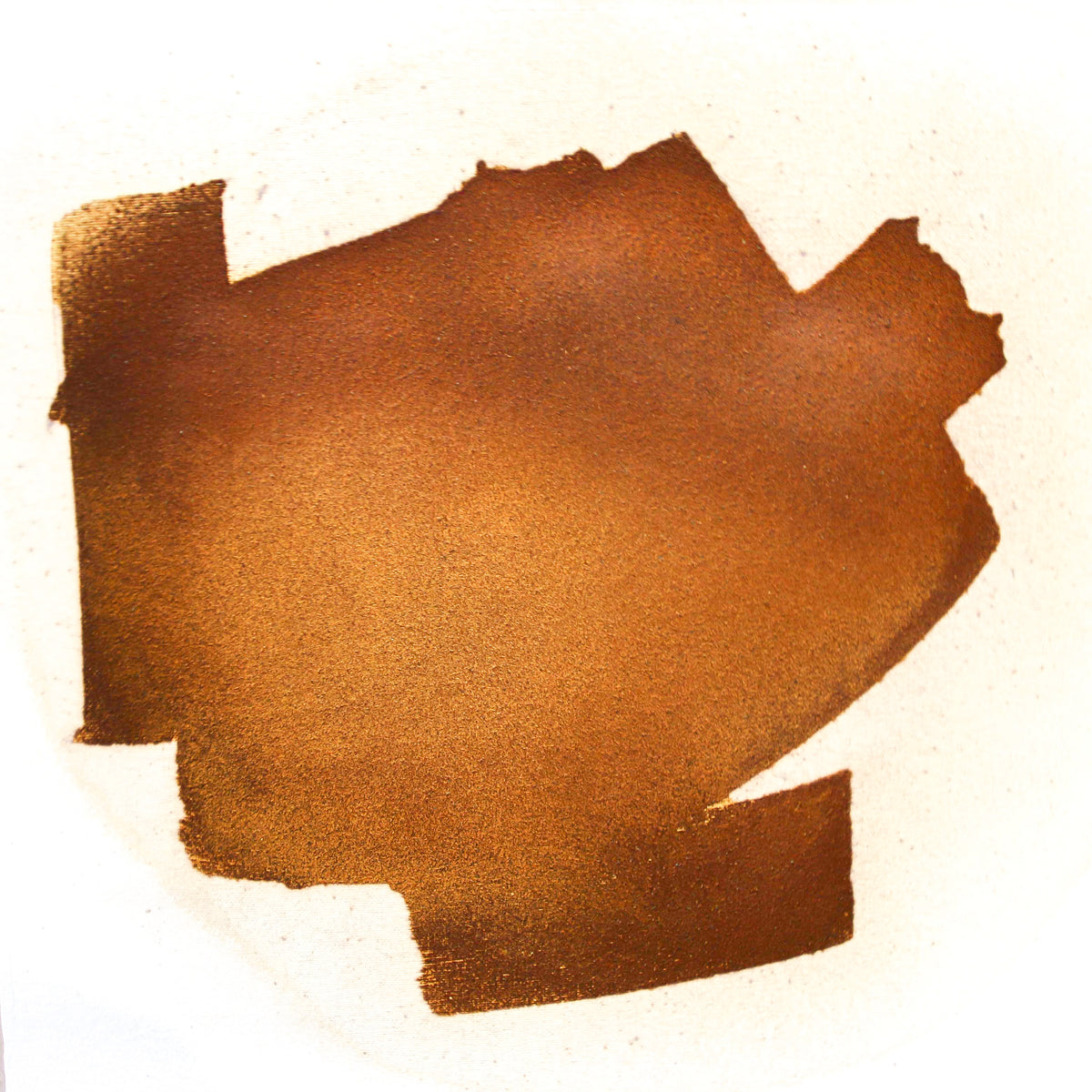
  • Note: The video shows how the oxidizer is applied, and the image on the left shows a dried rust surface after the oxidation process

Real rust: how it works

Real rust is not a shade that merely looks like rust. It is real iron that oxidizes on your painting. You apply a layer of iron and make it rust with the oxidizing agent. This works on canvas, wood and other surfaces, on sculptures too.

How to go about it

1 · Apply the iron
Liquid iron is an iron primer. You brush it onto the painting ground neat or diluted. Diluted with water up to 1:1, it becomes more translucent. That gives you smooth rust surfaces without grain.
2 · Sprinkle in grain
For a rough surface, sprinkle iron filings into a still-damp base, such as acrylic adhesive, Chalk Paint or Modeling Paste. Once it has begun to dry, tap off the excess.
3 · Oxidize
Pour the oxidizing agent into a spray bottle with a fine mist. Use it to wet the damp or already dried iron layer thoroughly, without puddles. The first rust tones appear after about one to two hours.
4 · Repeat
Spray again until you like the rust. Letting it dry stops the process; dampening it starts it again.
What to combine it with
The binder changes the look. With acrylic adhesive you get sharply outlined islands of rust. In Chalk Paint, embedded grains stay gray while visible ones turn orange. In Modeling Paste the filings look like rocks. White Chalk Paint over a rust surface lets the rust show through in an earthy brown.
What to watch out for
Sealing is possible, for example with Final Varnish. It darkens the rust surface, so test it on a small area first. Many artists leave real rust unsealed; it can then darken further. You can find the safety data sheets on the Downloads page.
Product details
  • Spray the Oxidizer onto the surface you want to rust
  • Spray several times, depending on how intense you want the rust to be
Shipping & returns

Austria: delivery time 2–5 business days, free shipping from €79,00, otherwise shipping costs €4,90. During Black Week, because of the big discounts: free shipping from €79,00. Voluntary 60-day return policy: you have 60 days to return your order.

Manufacturer & safety

Manufacturer: AQUARYLIC GmbH, Klarenbrunnstraße 46, 6700 Bludenz, Austria · office@aquarylic.com

Questions from the community

What is the difference between Final Varnish and acrylic adhesive?

Both are synthetic-resin based and waterproof once dry, but they do different jobs. Final Varnish is very fluid, dries transparent and satin matte, and its UV protection guards the colors against yellowing and fading. Acrylic adhesive is creamy, dries clear and glossy, and binds: use it to mix texture pastes with Gray Stone Powder, build rust surfaces with iron filings or glue collages.

How do I apply Final Varnish?

Brush it onto the finished painting as the very last step. Several thin coats are better than one thick one. Final Varnish protects your work and at the same time fixes texture materials and fillers. Acrylic adhesive can also be used as a varnish: dilute it 1:1 with water and stir well.

How do I mix my own texture paste?

With Gray Stone Powder, a finely ground natural limestone from Vorarlberg, and a binder. Acrylic adhesive and Gray Stone Powder in a 1:3 ratio give a creamy paste that hardly cracks, for example for rock and concrete looks. White Chalk Paint and Gray Stone Powder in a 1:2 ratio dry matte and form cracks. Gray Stone Powder will not hold without a binder: if you sprinkle it loosely onto wet paint, tap off the excess once dry and reuse it.

How do real rust effects work?

In two steps. First, iron goes onto the ground: brush on liquid iron neat or diluted for smooth rust surfaces without grain. Iron filings are sprinkled into a still-damp base of acrylic adhesive, Acrylic Paint, Chalk Paint or Modeling Paste, and they bring coarse texture. Then spray the oxidizing agent as a fine mist onto the damp or dry surface, thoroughly but without puddles. The first rust tones appear after about one to two hours; for more intensity, simply spray again.

Can I seal artworks with rust effects?

Yes. Varnish can darken the rust surface slightly, though, which can intensify or change the effect. So test it on a small area first, and only seal once the rust has reached the tone you want and has dried through. Many artists deliberately leave real rust unsealed. It then keeps working slowly and can darken further.

Do I need protective equipment, and where can I find the safety data sheets?

For rust effects with liquid iron, iron filings and oxidizing agent, we recommend gloves and a protective underlay, plus a respirator for large areas. You can find the safety data sheets for liquid iron, oxidizing agent, Gray Stone Powder, acrylic adhesive and Final Varnish (still listed there as Acrylfirnis) as PDFs on our downloads page.